
Surveying is essential to construction, land development, and even environmental protection. It helps professionals determine property boundaries, plan projects, and create accurate maps. But how do you efficiently gather the correct information during a survey? Scanning for specific details is key to a productive and precise surveying process. Focusing on particular aspects saves time and ensures accuracy in your work.
Let’s break down the key pieces of information you should focus on when scanning during surveying.
1. Land Elevation and Slope
One of the first things to check is the slope of the land by measuring how high or low different areas are. This helps you understand how water flows and whether the land is stable for construction. If the slope is too steep, you might need to make adjustments to prevent soil erosion or drainage problems.
2. Property Boundaries and Legal Markers
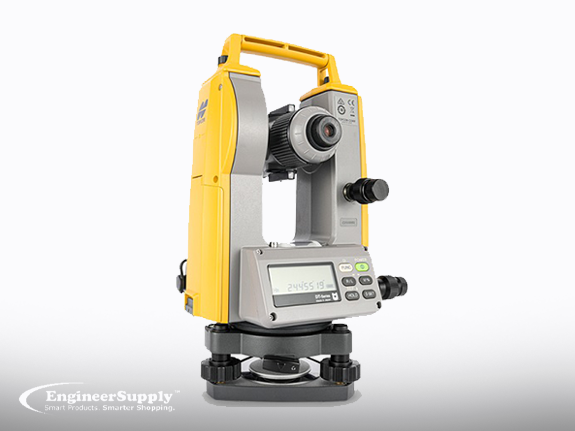
Before starting any project, you must verify property boundaries. Using tools like GPS and total stations ensures accurate measurements. Mistakes in boundary identification can lead to disputes, legal trouble, or even having to redo an entire project.
3. Natural Features
Surveying isn’t just about the ground—it’s also about what’s on it. Look for trees, rivers, lakes, hills, or wetlands. These features influence how people can use the land. For example, a large tree may need preservation, or a river may require specific construction adjustments.
4. Man-Made Structures and Obstacles
Check for existing buildings, roads, fences, utility poles, and other man-made structures. It helps in planning new developments without interfering with existing infrastructure. It also ensures safety and compliance with local regulations.
5. Underground Utilities
Surveyors often overlook underground utilities like gas lines, water pipes, and electrical cables, even though they are crucial. Damaging these during construction can cause serious problems, including safety hazards, power outages, and costly repairs. Specialized tools like ground-penetrating radar (GPR) can help locate these hidden utilities.
6. Soil Composition and Ground Stability
Not all land is suitable for building. Some areas have soft soil that can’t support heavy structures, while others may have difficult ground to dig through. Scanning and testing the soil helps determine if any modifications or reinforcements are needed.
7. Weather and Environmental Factors
Weather conditions can impact surveying accuracy. Rain, wind, and extreme temperatures can affect measurement readings and visibility. Understanding local climate patterns also helps predict erosion, flooding risks, or other environmental factors that impact land use.
8. GPS Coordinates and Digital Mapping
Surveyors use GPS equipment to record precise locations. These coordinates are essential for digital mapping, making planning and sharing information with engineers, architects, and construction teams easier. Accurate GPS data helps prevent location errors and ensures smooth project execution.
9. Changes Over Time
Landscapes aren’t static—they change due to natural and human activities. Compare current data with previous records to track shifts in elevation, soil stability, or vegetation growth. This information helps in making informed decisions, especially for long-term projects.
10. Regulatory and Zoning Information
Every location has its own rules about land use. Before making any changes to the land, check zoning laws, permits, and environmental regulations. Ignoring these can result in project delays or legal penalties.
Additional Tips for Accurate Surveying
- Use the Right Tools: Investing in quality surveying tools like laser levels, total stations, and GPS devices can significantly improve accuracy.
- Double-Check Your Data: Always verify your readings multiple times to minimize errors.
- Keep Detailed Records: For future reference, keep organized records of all scanned data, including measurements and observations.
- Consider Seasonal Changes: Weather conditions change throughout the year, affecting land stability and elevation.
- Consult Local Experts: If you are surveying an unfamiliar area, local surveyors or land planners can provide valuable insights.
- Stay Updated with Technology: New surveying tools and software emerge regularly, so keep learning and upgrading your equipment for better accuracy.
Final Thoughts
Surveying isn’t just about taking measurements—it’s about gathering the right information to ensure safe and successful land use. By scanning land elevation, boundaries, natural and man-made features, underground utilities, and regulatory details, you can avoid costly mistakes. Paying close attention to these factors will make surveying work more accurate and efficient.
Whether working with surveying equipment, interpreting total station data, or reviewing transit-level results, knowing how to scan effectively will make surveying tasks easier and more productive.